

Low Torque Putters
What's all the rage about? Do I need one?

Years ago, I remember a fellow golf instructor raving about his spaceship-looking LAB putter. It was designed to have no torque or face rotation throughout the stroke. He had one in his bag at the time, and I’ll admit—I saw it as a desperate reach to save his poor putting skills. I tried it a few times, was intrigued by the concept, and even dabbled with a few center-shafted putters. But they felt so awkward and unfamiliar that I put them down quickly.
Fast forward five years to the Forbes headline, “L.A.B. Golf Finds ‘Dope’ $200 Million Partner for Global Growth,” back in July of this year. A few PGA Tour players are gaming them (see: JJ Spaun winning the U.S. Open), and then Scotty Cameron releases two low-torque models. Suddenly, my interest was piqued again.
When Scotty Cameron entered the low-torque putter game, that validated for me that this wasn’t just a gimmick. If Scotty thinks it’s worth adding to the lineup, then I’m listening.
The two models released fall within existing lines—the Fastback and the Phantom—which makes testing easy. If you already play one of those, the change in feel is slight. I ordered both for myself to get some practice in and see how they stack up against my longtime gamer, a Scotty Cameron Newport.
What Does “Low Torque” Actually Mean?
The concept of “zero” or “low torque” means the face stays square throughout the stroke. In a traditional heel-shafted putter, the shaft sits closer to the heel while the center of gravity is farther toward the toe. That design naturally causes the face to rotate during the stroke, known as toe flow. Most players like some toe flow, but it also means you have to manage the face angle at impact to start the ball on line.
If you’d like a deeper dive into torque profiles, putting expert Phil Kenyon has a great short video explaining how this works:
Phil Kenyon – Putter Torque Explained
Why Face Angle Matters So Much
Now let’s get to what I care about most—helping people play better golf, and in this case, putt better. Most amateurs, by a large margin, need help starting the ball on their intended line consistently. Choosing the right line is a skill for another article, but once that line is chosen, the ball needs to roll on it.
According to Science and Motion, the creators of SAM PuttLab, 83% of a putt’s initial direction is determined by face angle. Quintic Research reports it as high as 93%. In other words, if your putter face is just a few degrees open or closed at impact, you’re likely missing the hole. For some players, a low-torque putter reduces the chance of that by keeping the face more stable. Less rotation means fewer variables, and fewer variables mean more made putts.
If face angle plays such a huge role in start direction, and there’s technology that helps keep it square, shouldn’t everyone be using it? Many people think the answer is “yes,” including the investors who paid $200 million for L.A.B. Golf.
Testing the Scotty Cameron Onset Center Putters
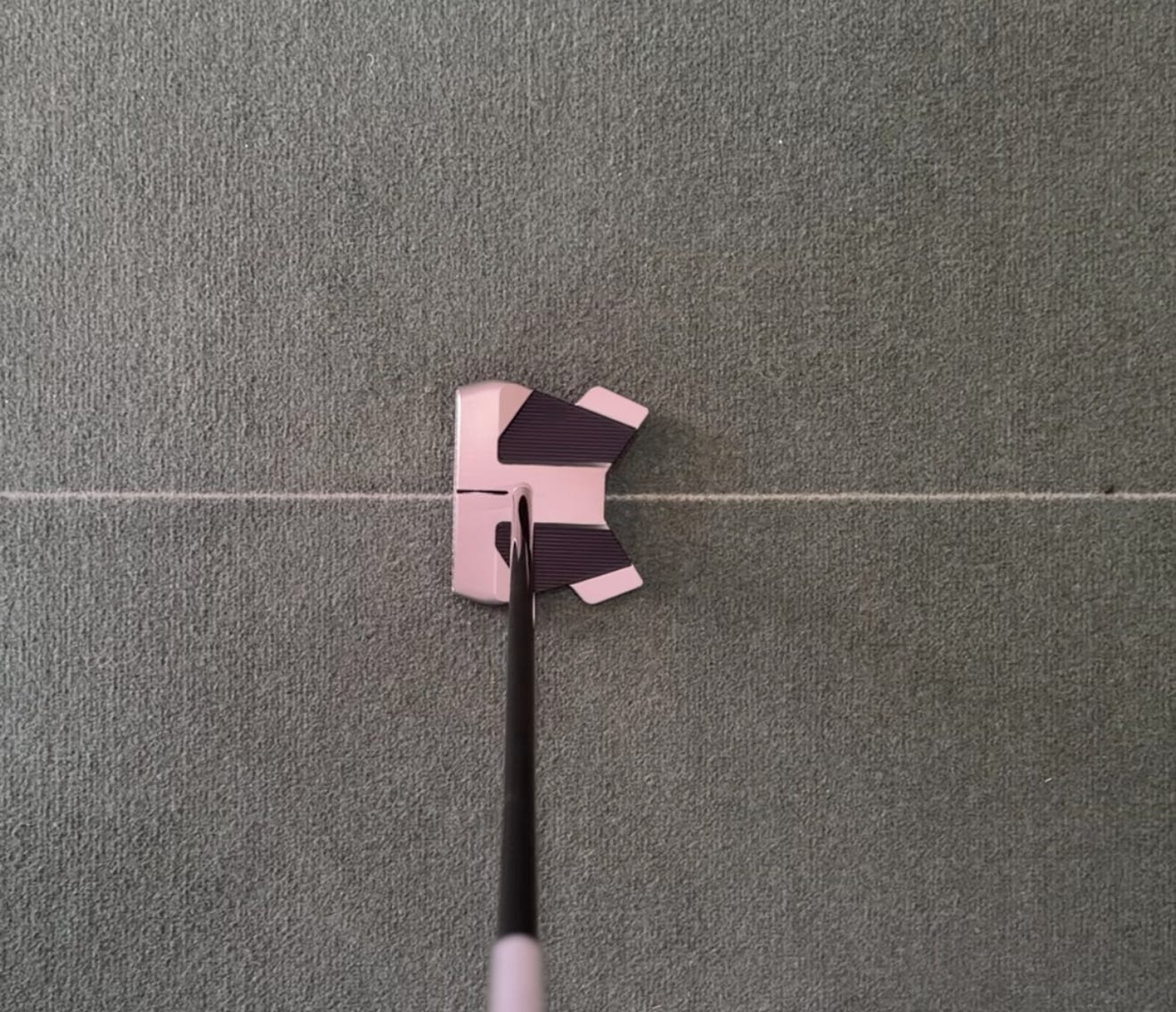
I spent some time testing the Scotty Cameron Onset Center (OC) putters in our indoor putting studio at Woodmont and came away with a few key observations.
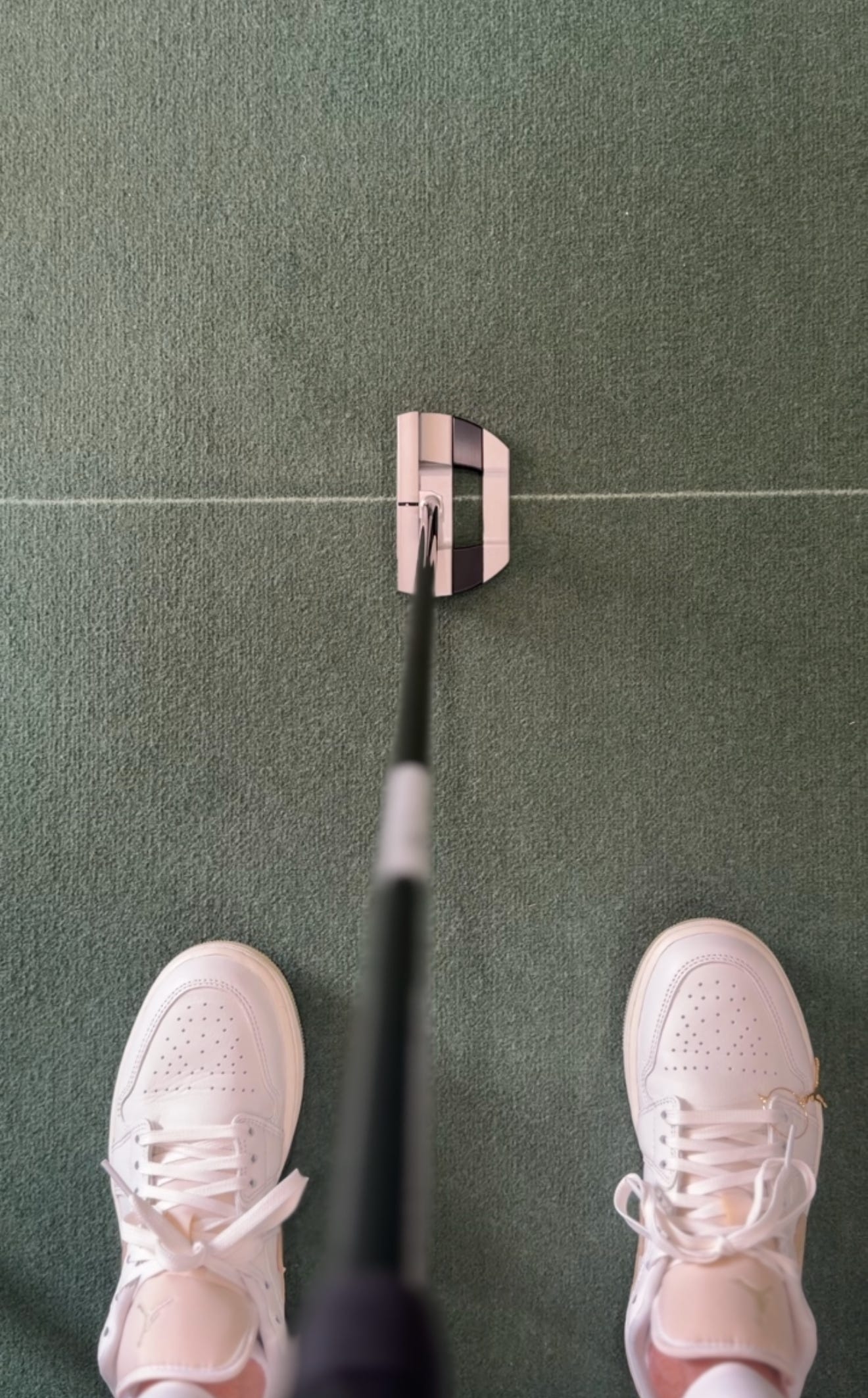
The setup felt incredibly comfortable. The OC putters feature a one-degree shaft lean that frames a clean, confidence-inspiring top line. The subtle, rounded camber on the sole helped the putter sit naturally on the green’s contours. The familiar head shapes—particularly the Fastback—made the transition from my Newport feel seamless.
I was able to make a smooth, natural stroke just as I usually do. The most noticeable difference was what the head looked like through the swing. I’m used to seeing a blade arc; this one didn’t arc or twist. Surprisingly, I really liked that. From inside 12 feet, I almost felt like I was cheating. I drained a lot of putts right away and was nearly convinced this would be my new gamer.
Longer putts were my next test. On paper, a low-torque, lie-angle-balanced putter should stay square through the entire stroke—but how would that hold up on longer motions? To my surprise and delight, it still felt comfortable and intuitive. My eyes and hands adapted instantly. I saw a touch of natural arc and easily synced the motion with my torso while keeping my hands quiet.
Final Thoughts
The one adjustment I’ll need is the heavier head weight. The OC putter runs about 15 grams heavier than my usual setup—not a huge jump, but noticeable for someone who prefers a lighter feel.
Still, for the first time in twenty years, I’m putting a non-toe-balanced blade in the bag. I’m excited to roll it on the course and see how many more putts I can convert inside 12 feet.
Let’s go.
I've always been sensitive to the sole of my putter lying flat at setup. With a 72 degree shaft angle in my fitted Scotty X5, I just can't get used to the 70 degree standard lie of the OCs and other zero torques